|
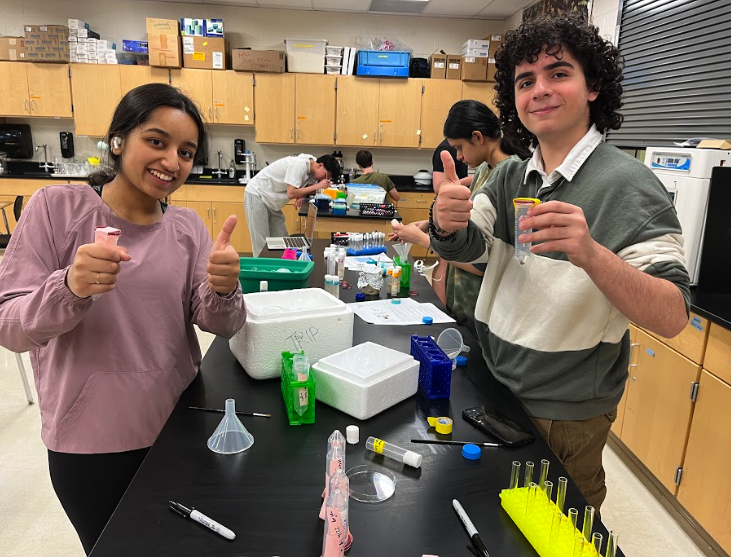
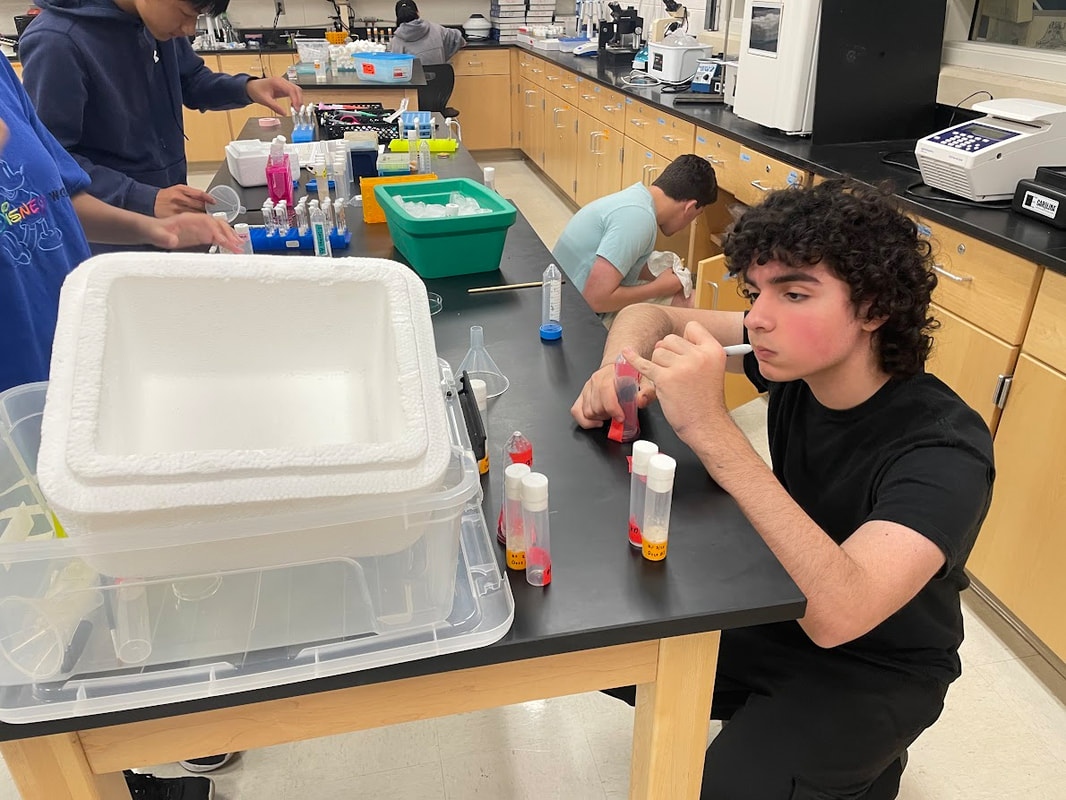
Hello Everyone for the last time. I’m Endy Ascencio-Miranda for those who forgot and it has been quite some time since we last saw each other. I’m happy to inform everyone that I have finished my time here at TRIP! These past few weeks have been quite the ride, one that I am beyond thankful to be on. From not knowing what my experiment would be, to attempting to understand the fragility of larvae, and of course running late to work. 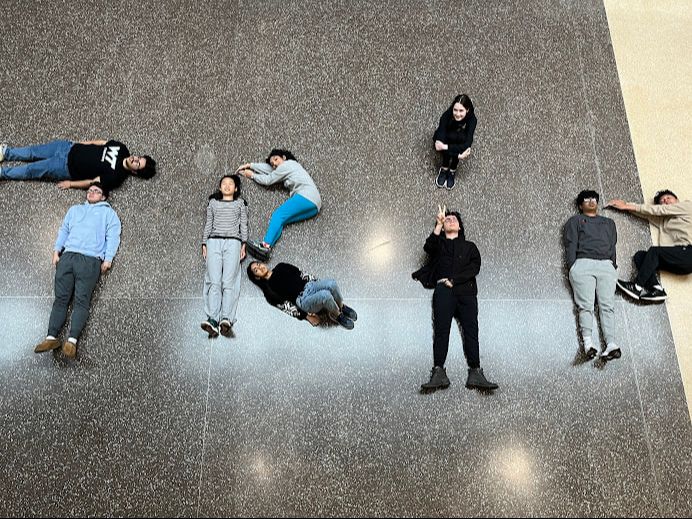 Aligned to spell TRIP Aligned to spell TRIP
There's one thing that will forever stay with me, and that is “Don’t let yourself get in your own way.” Something Dr. Purdy has said to me whenever talking about my experiment. It’s something I needed to hear, especially considering I’ll be going away to college. I must realize that I have the potential to do incredible things, just as long as I don’t self-sabotage or doubt myself. I’m proud of the work I’ve done here at TRIP and that’s something no one can take away from me. Take the risks, face your fears, don’t let anything hold you back. That is what TRIP has taught me. I’m thankful for the progression I’ve made both as a scientist and most importantly as a person.
0 Comments
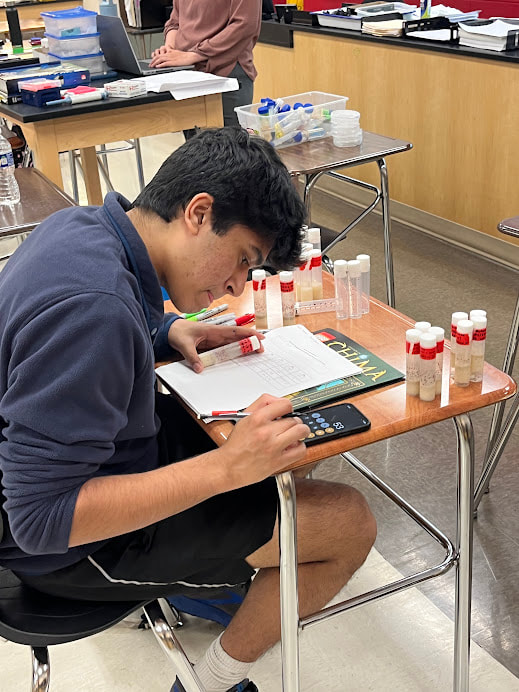
In just 6 short days, I will be done with my time in TRIP. How crazy is that? It feels like the program has lasted forever, since it was spanned out over 3 months, but then I remember that I’ve actually only spent 11 days in the lab. One thing I am excited for is getting to sleep in again on Saturdays though! Still, I am so very grateful for everything I’ve learned in TRIP. If you met me way back in February, I couldn’t work with a micropipette, experiment on fruit flies, manage my time in the lab, or even analyze and speak about my own research! TRIP has taught me all that and much, much more. Even better, TRIP has proven to me that medical research is definitely the career I want to pursue. I’ve always suspected as much, but now I have confirmation that the lab is where I belong, all thanks to what I learned and saw in TRIP. 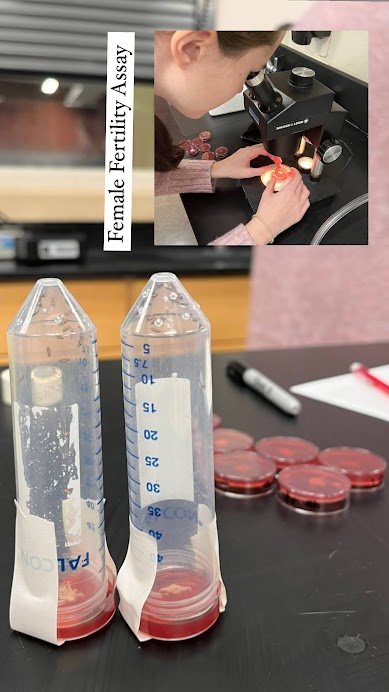 If you’ve read my previous blogs, then you’re probably aware that I’ve spent the last 5 weeks conducting my independent project. For that, I asked the question, “How does the consumption of BPA affect female fertility and fly development?” This question was very interesting for me because I’ve spent a lot of time recently reading about the common contaminants that are often found in our food supply. Originally, I’d considered looking into the contaminated water from the Warminster water wells, which we no longer drink from. However, I realized that it was highly unlikely I’d manage to get my hands on water highly contaminated with forever chemicals. Thus, I shifted gears to focus on BPA, another chemical found in our water and also in our food. BPA is interesting because it gets into our food and water through contaminated plastics and cans, which it can leach out of. There’s not much research available on the effects of BPA, so it is a fairly novel subject, though the federal government has begun to ban it from certain products for human consumption. Interesting, right? In response to my question, I originally hypothesized that female fertility would decrease and that fly development would be slowed down. To test this hypothesis, I completed both the female fertility assay and the quantification of developmental data. To further investigate the effects of BPA, I tested female fertility after one week, when the flies had only been consuming BPA since adulthood, and again after two weeks, when the progeny flies had been consuming BPA for their entire lives. The results remained fairly similar, but the effects were much more severe in flies that had been consuming BPA for their entire lives. As for my question, it turns out that I was only partly correct: fly development was slowed down, but female fertility actually increased with the consumption of BPA. 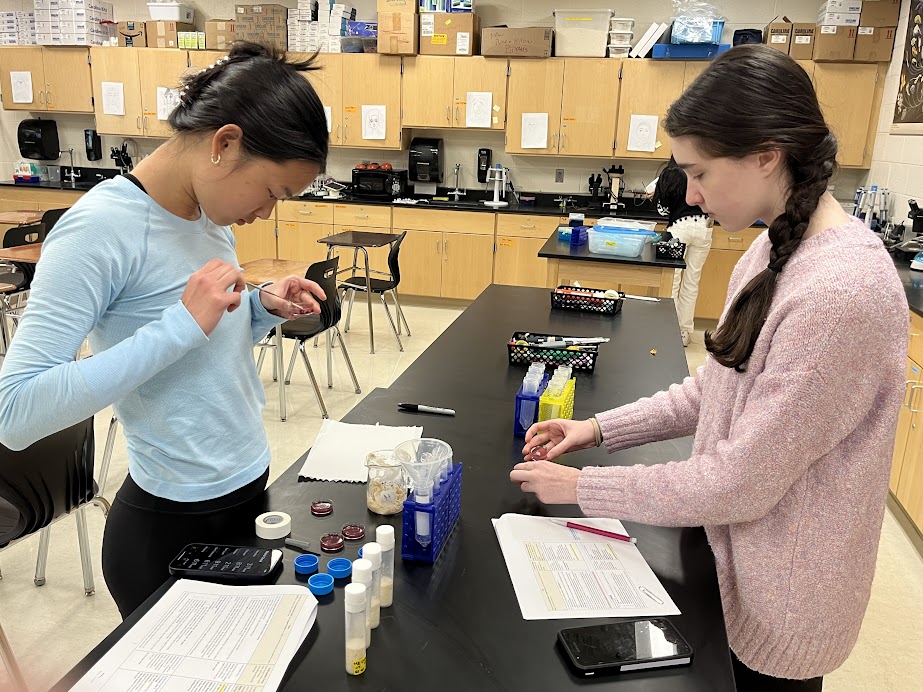 I also found an interesting conundrum in my research: since BPA mimics the effects of estrogen, I did see an increase in female fertility and the amount of embryos being laid per female. However, when I counted the pupae in those vials on the same day, I found that the vials with BPA in them had much less pupae than the control vials. What I can assume from this is that either the embryos were not all hatching into larvae, or there was something preventing the larvae from maturing to pupae. Super fascinating, but unfortunately, I didn’t have the time to look into this further.
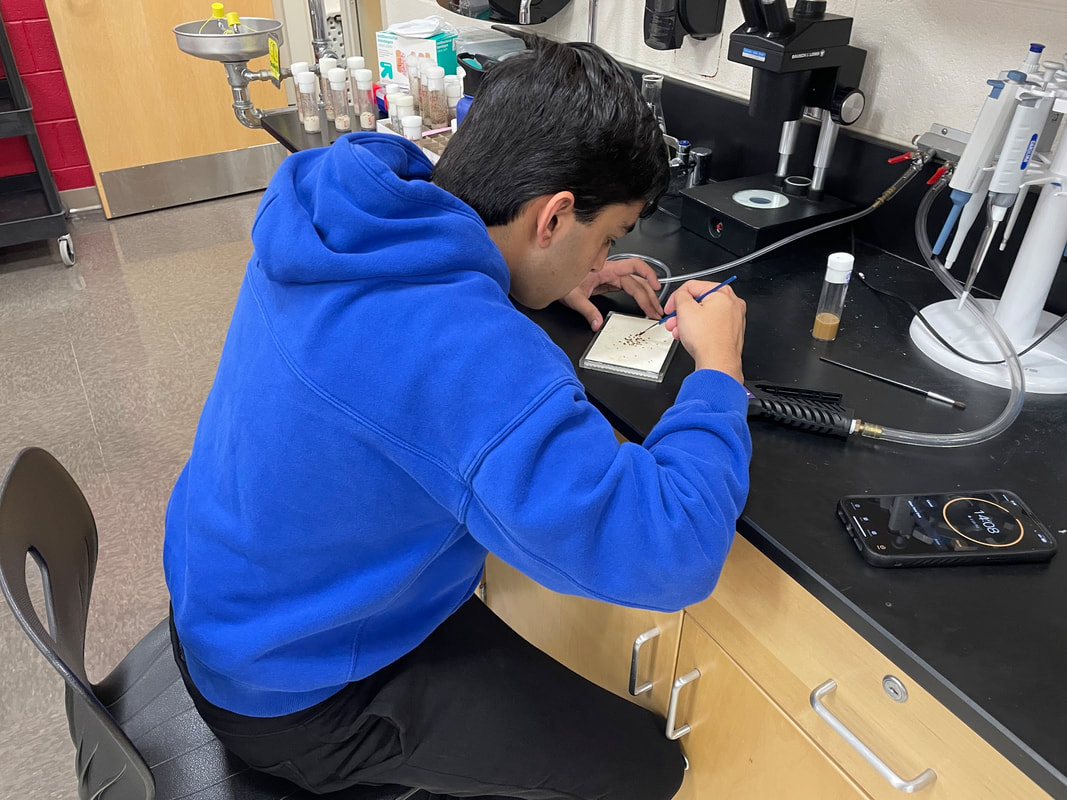 Unfortunately, after 11 weeks of some of the best Saturdays of my life, my first hands-on lab experience has come to an end. At the start of this program, I had no idea how to use any equipment, handle fruit flies, or even what concentration meant. However, this program has taught me so much about not only a glimpse of lab work, but also how to intellectually tell and present a story about a problem and its solution.
The active ingredients were Huperzine A and Ginkgo Biloba. I simulated sleep deprivation among flies by exposing them to constant light throughout the entirety of their life. I collected developmental data to make sure that there were no major side effects from the two drugs on fertility and development, which I confirmed was true. After one week of exposure to the light and/or drugs, I conducted a larvae memory assay on the larvae of the original adult flies. I used larvae to specifically target adolescents when assessing behavioral effects. The assay consisted of exposing the larvae to a scent in an agar plate without sugar and a scent in an agar plate with sugar. After this training period, I placed the larvae on a testing plate that had each scent on opposite sides. The percentage of larvae that initially traveled towards the scent associated with sugar was the percentage of larvae whose memory was intact. After coming into the lab early to conduct eight larva memory trials each day (shoutout to Keith, one of the TAs, for helping me out!), I was satisfied and felt fulfilled with my results. From averaging the data, I confirmed that sleep deprivation did in fact decrease memory. I also found that both memory supplements were able to combat the memory disturbance from sleep deprivation; however, combining both drugs had no further increase on memory compared to using a single drug.Overall, I am eager to present my experiment to my fellow TRIP classmates, faculty, and families, as well as to the teachers from my school as well. TRIP has taught me not only about a possible career path, but also to be more intellectually curious, both in and out of the lab. I will take the skills I learned, as well as the relationships I have formed with my teachers, TAs, and classmates, and apply these skills to the rest of my life. 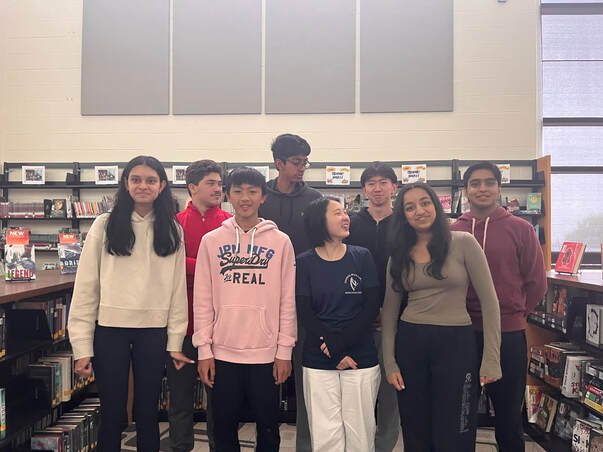 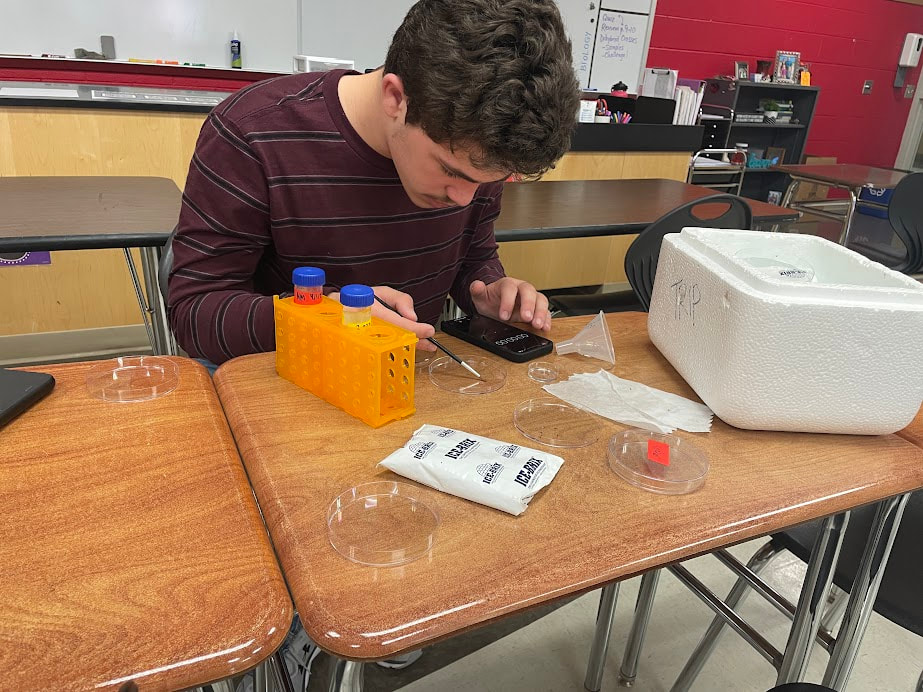 Wow, I am in complete shock that TRIP is almost over, time seemed to FLY by so fast. Looking back on this program, I can honestly say it has been a wonderful experience and opportunity that I was lucky to be a part of. Every week of the program I learned a new skill from how to use a pipette to nearly drowning fruit flies to measure their depression. The instructors and TA’s were extremely helpful and made the program enjoyable. The time in the LAB was a challenge, but a fun one indeed! I went from not knowing how to sort fruit flies or even use animals in a lab to model human processes, to running my own experiments and sleep depriving flies. 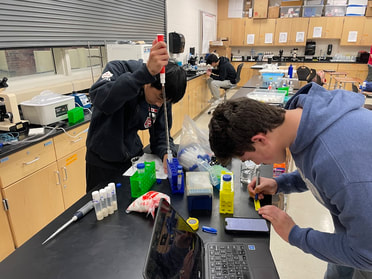 To pick up where I left you off in my last blog, over the past few weeks I have been testing the effects of Sleep Deprivation and a Western Diet on Fruit Fly Mood, specifically depression and sociability. These two stressors were of great interest to me since the average American consumes over 3 times the healthy limit of sugar per day. The average American teen gets only 65% of the sleep they need. I was intrigued to study the effects of common stressors that everyday people experience on fruit flies. Current studies suggest that both a high sugar consumption and a lack of sleep correlate with extensive issues. Such as, diabetes, cardiovascular diseases, and many more, but the mood issues associated with these stressors is less studied and proven which is why I was interested in these effects first hand. To collect my data I used two Assays called the Social Space Assay which measured the average distance between the fruit flies, and the Forced Swim Test which measured how long flies swim to determine how depressed they were. 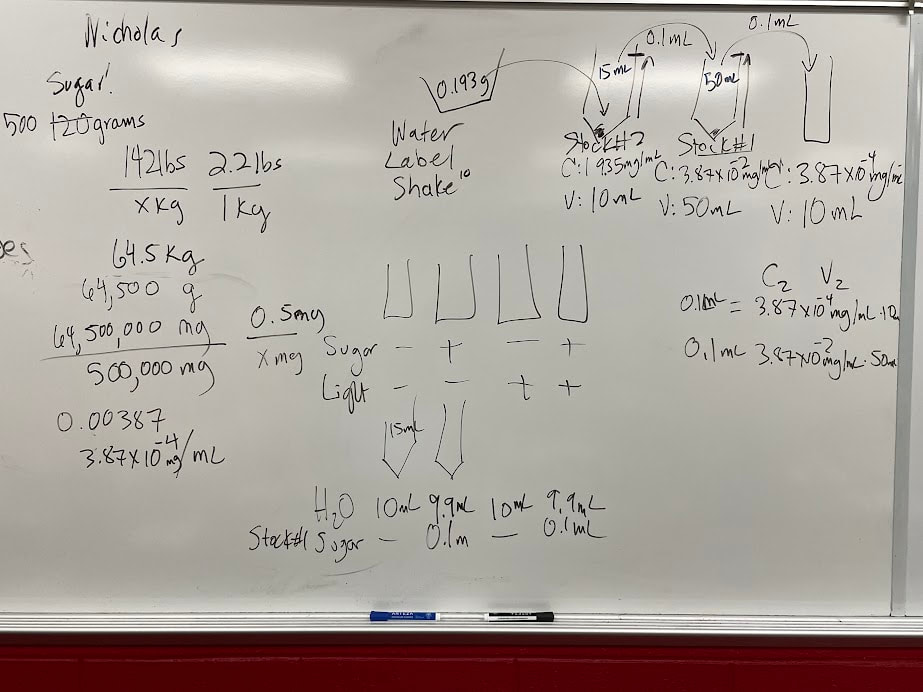 What did the data show? Overall both sugar and sleep deprivation were shown to be bad for your mood in both tests. Sugar caused mostly slight negative effects while sleep deprivation was significantly worse, while the group with both stressors was by far the most affected.
Overall, TRIP is a wonderful program that undoubtedly helped me on my journey through life. I hope I can use the skills I learned in the future, and until next time, Nicholas Mento. 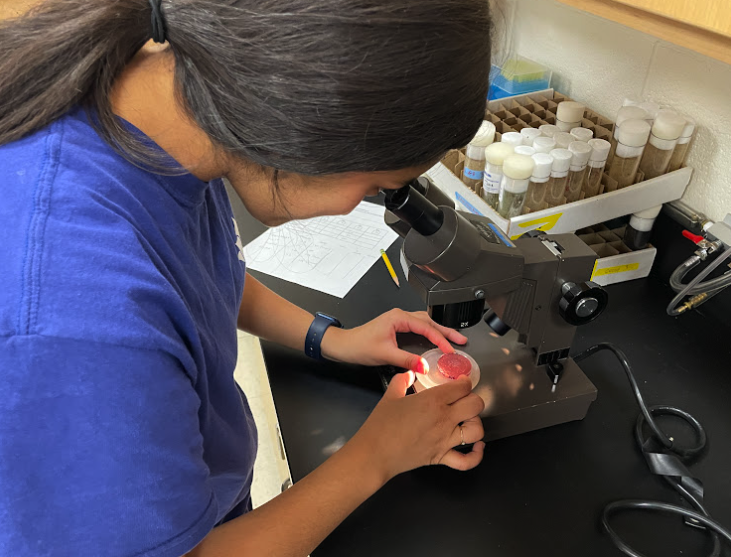 How has it been 12 weeks? It is incomprehensible how fast my time with TRIP has passed. From week 1 of holding a micropipette for the first time to week 12 in the lab of swiftly sorting flies, I have gained invaluable skills. Thank you to Dr. Purdy, Dr. Leystra, the TAs, and Session B for making my Saturdays exciting and meaningful. Thanks to TRIP, I have an even greater appreciation for the research process and all that it entails. My independent research looked at the effects of aluminum-compounds found in antiperspirants on health and fertility. I was inspired by my personal issue of sweaty palms. However, aluminum is found in many commonly used deodorants and antiperspirants, so the findings are relevant to all. To evaluate its effect on health, I took a step back to see the most important indicator of health: fertility. Each week, I set up four vials with one control vial and three with increasing doses of Carpe, an antiperspirant with aluminum as the active ingredient. I was able to replicate my study 5 times and even got to look at the second generation or the progeny of three replicates to see long-term effects. To assess fertility, I used the female fertility assay that quantified the number of progeny produced over time. I also utilized the male fertility assay to assess the effects on male reproductivity. My time in the lab consisted of making food vials, sorting flies, setting up collection cages and grape plates, setting up smaller vials for the males, and counting hatched embryos. When quantifying the embryos per female ratio and the success rate of embryos (% hatching), I noticed a pattern. The data trend followed the Goldilocks effect where low and high doses had less progeny but the middle dosage was just right.
These hard and soft skills will be ones I can apply to whatever I do in the future. I am incredibly grateful to TRIP for this unique and unforgettable experience.
I remember as if it were yesterday that I stumbled into the TRIP lab, bright-eyed and ready to indulge in science. I can safely say that my craving for discovery and opportunities to learn has been satisfied. 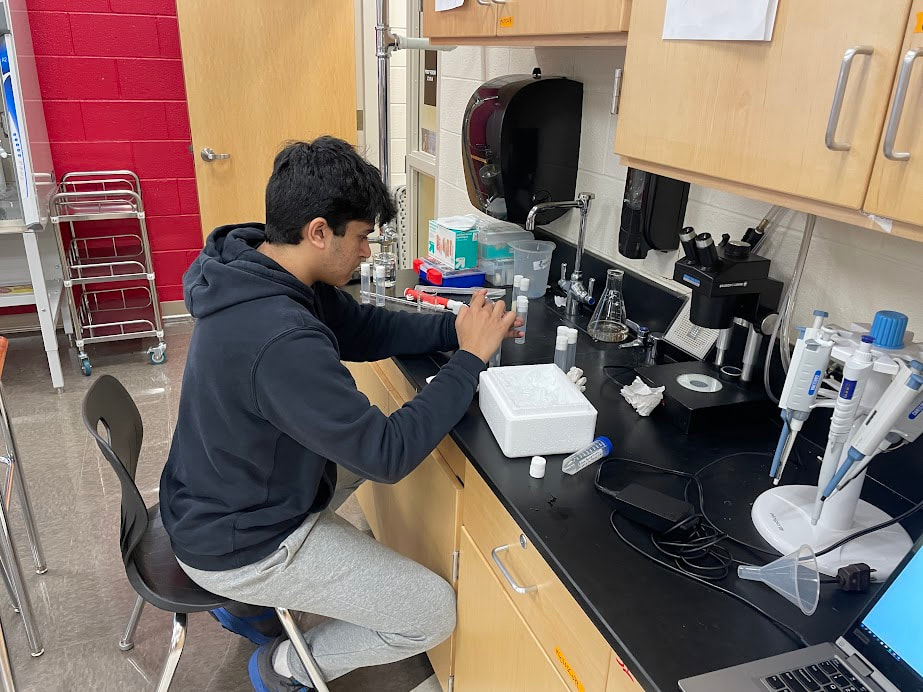 For the past few weeks, I have been hard at work on my independent project, which investigates if Bilberry Extract can ameliorate the negative effects of induced heat shock on Drosophila melanogaster health, as measured by negative geotaxis. In my work as an EMT on live 911 calls and stand-by community events, I have firsthand seen how detrimental heat shock can be on the average person and how there are virtually no medications that can prevent it. This fact troubled me deeply, and as I began investigating potential solutions to what seemed like a simple problem, I came across the antioxidant known as anthocyanins. Anthocyanins are known to have anti-inflammatory properties which can help with mobility. Bilberry Extract is packed with anthocyanins, and I began to question if this already-used supplement can also prevent the damaging effects of heat shock on mobility since heat shock infamously cramps the muscles of the affected person. In my experiment, I had 4 fly vials which included a control, a Bilberry Extract vial, a heat shock vial, and a fly vial that both received Bilberry Extract in its food and was heat shocked. My hope was to see the Bilberry Extract and heat shock combined vial have similar mobility percentages to the control vial, indicating that the supplement can reverse the effects of heat shock on mobility.
If someone were to tell me a few months ago that I would be so invested in laboratory work and the fascination of science, I would burst out into a hysterical laugh. But TRIP has taken me on a journey of self-discovery that has taught me what I truly love. I love the thrill of discovery and experimentation, as despite the challenges, the process of learning shaped me into a kid excited, rather than dreading, to learn. I have learned laboratory, scientific, and even personal skills that I am truly appreciative of, and I would like to sincerely thank Dr. Amanda Purdy and Dr. Alyssa Leystra for catalyzing my further love of science. Without them and their close mentorship, I would not be in the position and newfound mindset that I am in today. Thank you so much to TRIP’s very own TAs - Austin Cozzone, Jenan Hazazi, and Keith Thompson - for helping out with what I needed when conducting my research. To my future TRIP mates (and I am sure my present TRIP classmates can attest), this program is more than just a research internship, it is rather a mentorship on how to lead a life in science. Learning how to work with micropipettes and agar is one step, but a larger and more important one I learned was how to deal with difficulties and unexpectedness of research. This experience has taught me more than I could have expected and I am forever grateful for these past few months. Thank you all for reading these past few weeks of blogs and I hope the "TRIP" with me has been enjoyable. Signing off one last time -Rohan Ramprasad 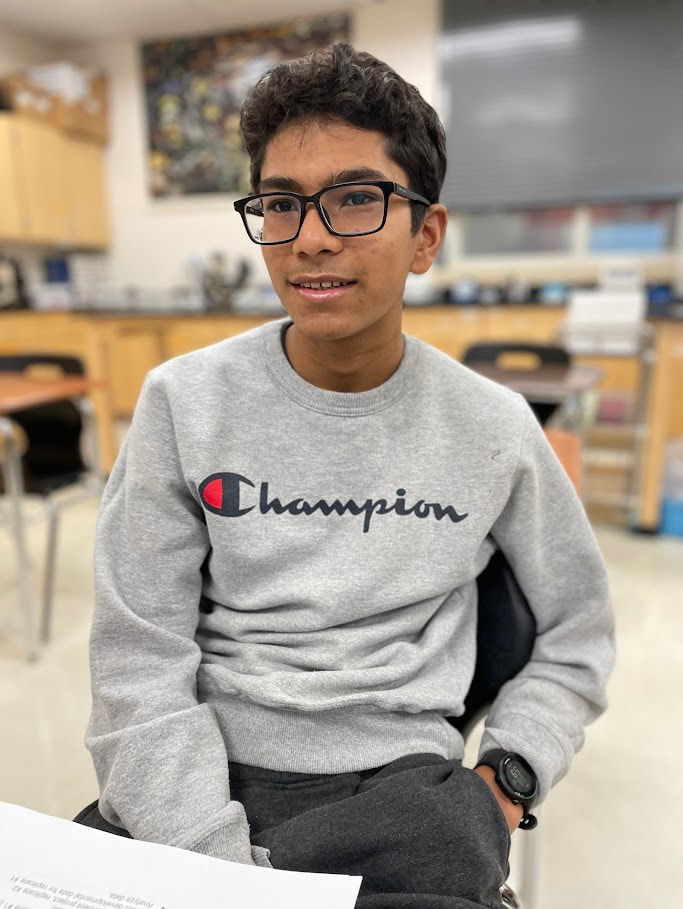 TRIP has finally come to an end. I don’t even remember how many weeks it’s been, definitely double digits. I have picked up a lot of skills throughout this journey that will benefit me in the future. I have also picked up a lot of skills that I will probably never use again, but that's okay. Sorting on ice will definitely haunt my dreams though. I have faced many challenges throughout TRIP that have elevated my lab skills significantly. 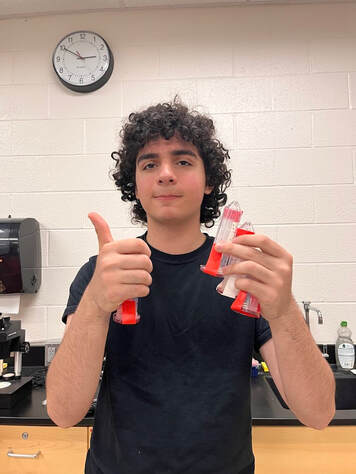 I am very pleased with my data that I have gathered from my independent project over the past couple of weeks. I explored the effect of Kratom on fly health, and did that through the lens of fertility as a particular aspect of health. To do this, I employed four flasks of exponentially higher and higher doses of Kratom and performed the male and female fertility assay to assess the effects of the drugs on the animals. I found that Kratom produces catastrophic effects on fly fertility and thus fly health. TRIP has helped me explore my interests in chemistry and biology much more than just the high school experience could. I have picked up substantial amounts of information and accumulated important skills like collaboration, time management, and efficiency. The aspects of fly biology that I explored in learning more about the organs and processes of the systems of interest have been extremely interesting and I am motivated to learn more in the future. 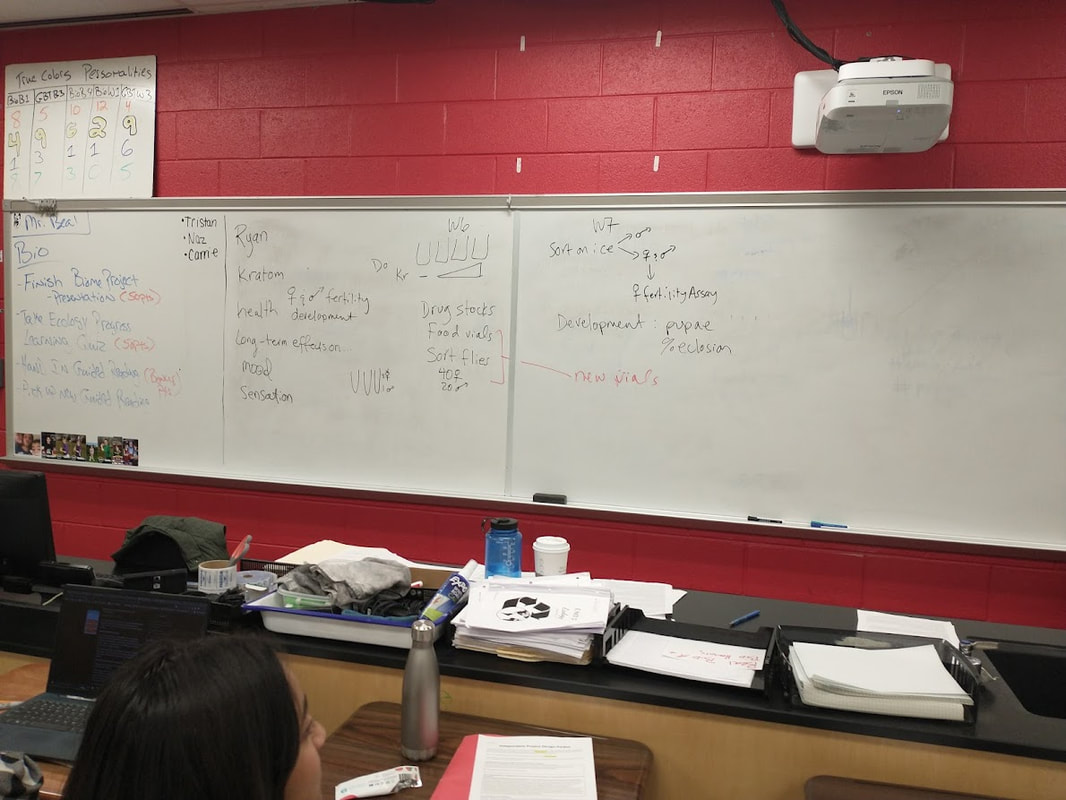 Overall, TRIP has given me a medium to practice my interests in a research-based career and learn more about the lifestyle of a research scientist and as a public speaker. Thank you to Dr. Purdy, Dr. Leystra, and the TAs for making this possible!
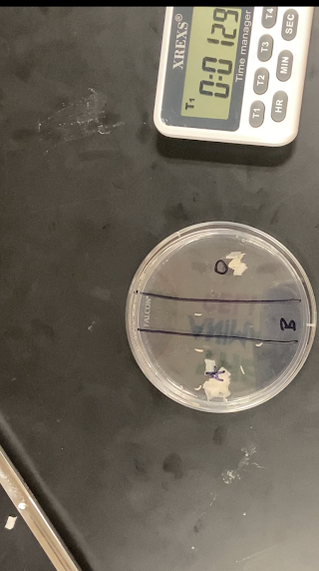
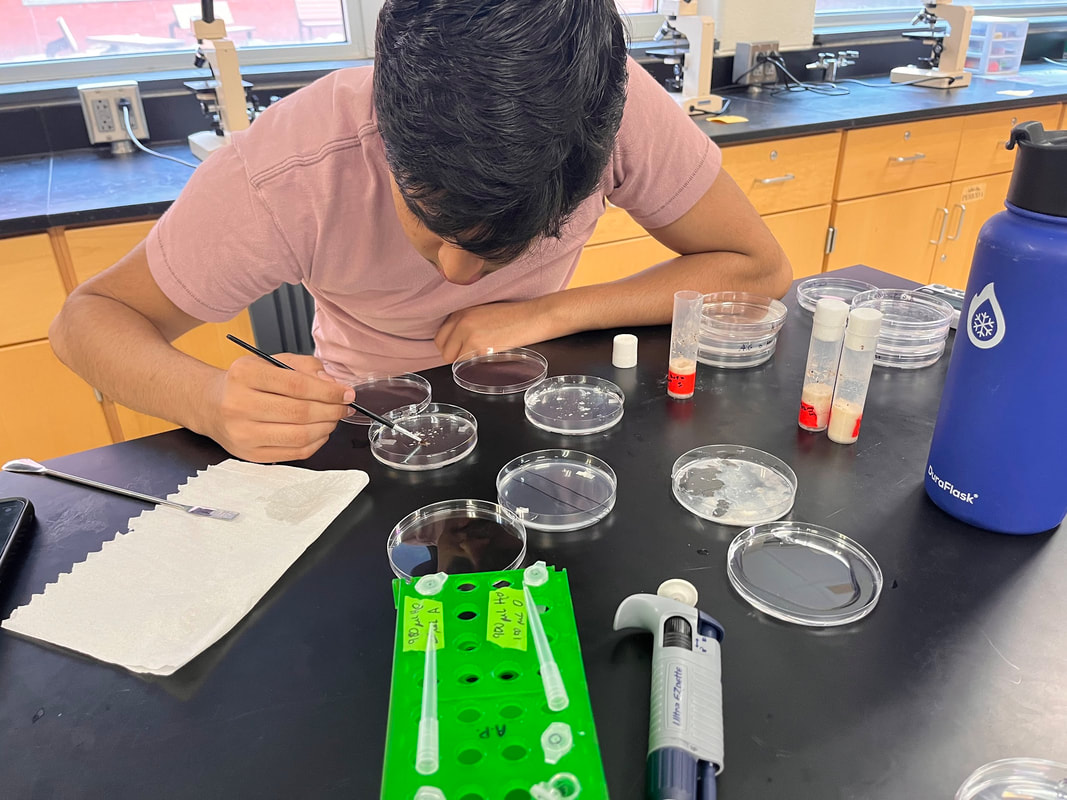
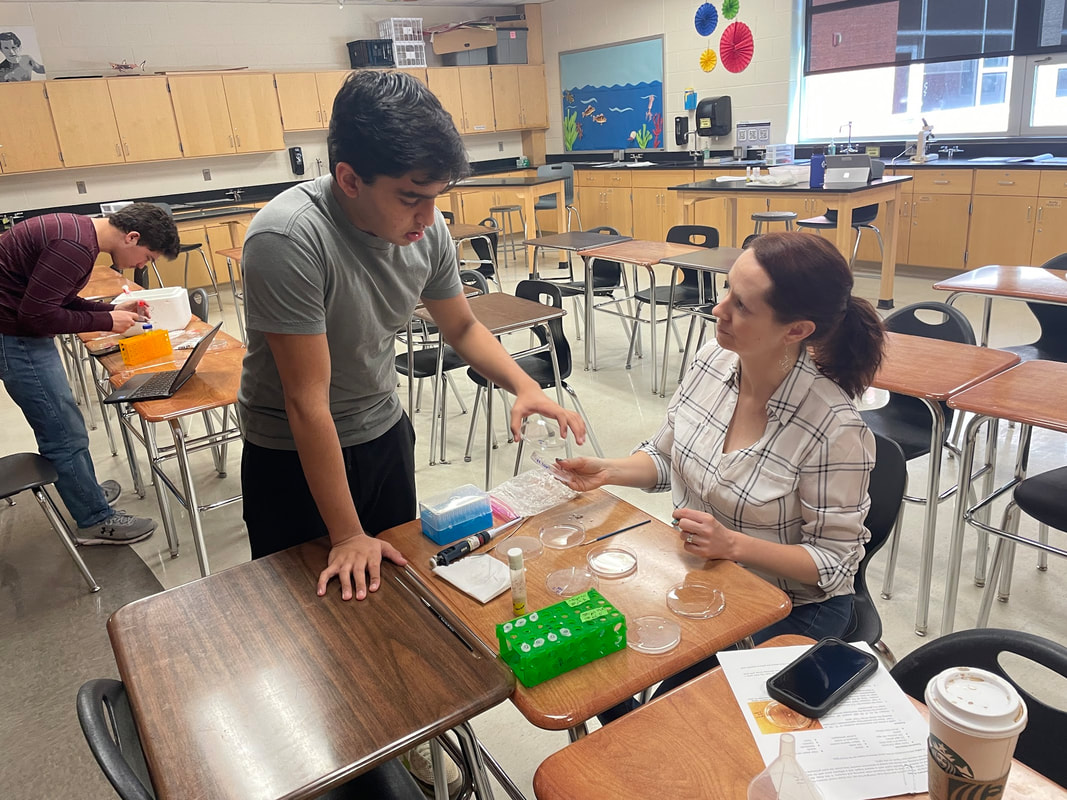
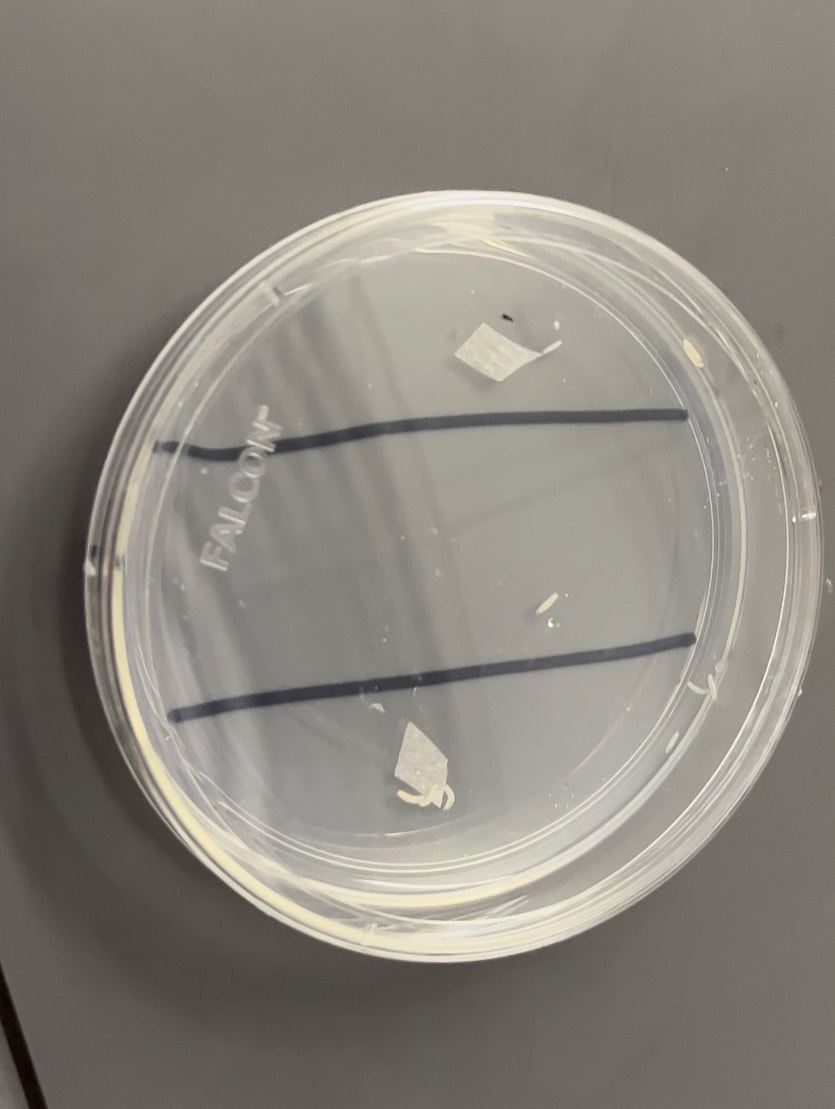
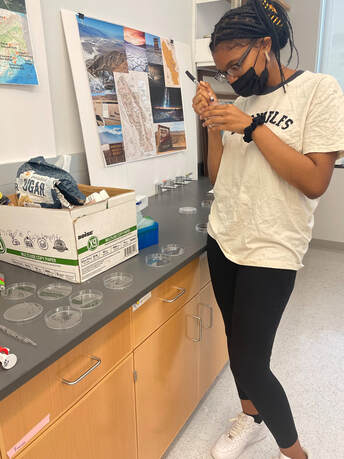 The past few weeks really flew (pun intended) in the blink of an eye. When I last wrote to you all, I was explaining how I finally decided on studying the effects of Coca-Cola and Coke Zero on developmental memory. This is a topic that I am particularly passionate about because I am very interested in nutrition as well as how certain foods and beverages alter brain chemistry. Reading about the possible impacts of Coca-Cola products on memory made this project an easy pick for me. Now that I have my question, “Can consumption of Coca-Cola and Coke Zero impact developmental cognition?”, the next step was figuring out how to possibly find an answer. I decided to use the memory assay in order to gauge developmental memory. In order to complete the assay, the first thing I had to do was isolate 10 3rd instar larvae from their food. Next, I set up three petri dishes . One dish had sugar and was grape scented. Since the larvae really enjoy eating at this point in their lives, they learned to associate the scent of grape with food and therefore a positive reward. The second dish contained no sugar and had a watermelon scent. Because the larvae were deprived of food in the watermelon scented petri dish, they associated the scent with a negative reward. I alternated which dish the larvae were placed in a total of 6 times in 5 minute increments. Last, I placed them into a dish with no sugar. On one side of the plate, there was a grape scent, and on the other, watermelon. Finally, I recorded how many flies remembered that the grape scent earned them an award. I did this process for each experimental condition. My data showed that the larvae raised on Coca-Cola and Coke Zero were unable to remember which scent was associated with a reward. Almost each time, about half of the larvae went to the grape scent while the other half flocked to the watermelon scent. This revealed to me that they were unable to remember their training and took a guess. It was really cool to see that the assay revealed to me that the larvae were affected significantly by the beverage. While this assay was not particularly difficult, it was very time consuming and required a decent amount of patience. I’m grateful for the friends that visited me and kept me company while I performed this assay, as well as the instructors and TA checking in on me often. It truly made performing the assay a worthwhile experience! Can consumption of Coca-Cola and Coke Zero impact developmental cognition?”
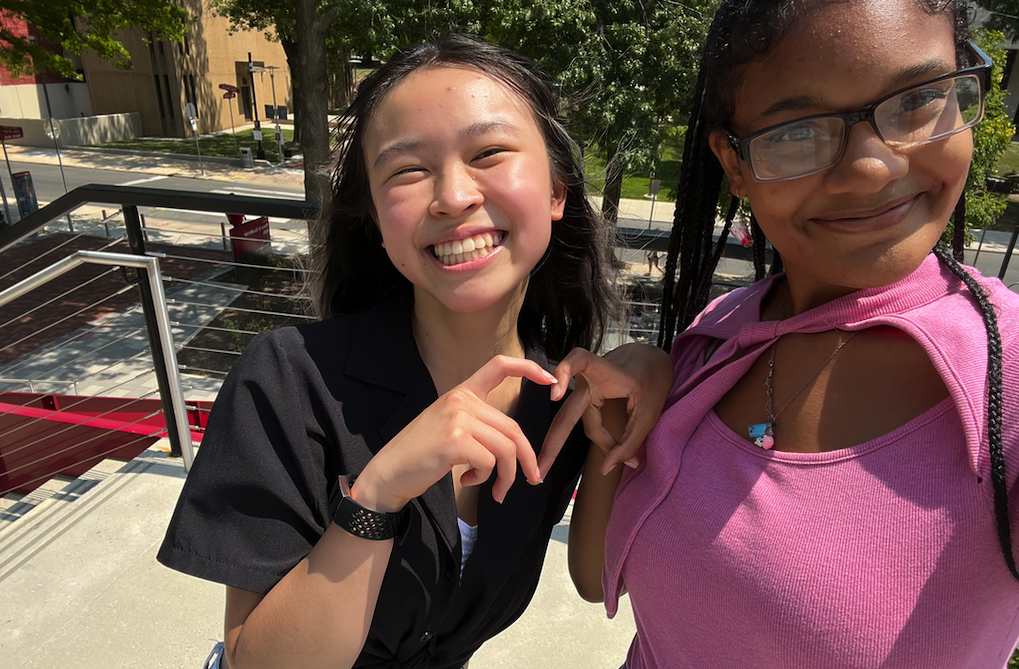 I am grateful to my TRIP peers, instructors, and TA for all of the smiles, laughs, and silly discussions. I was able to meet such an incredible group of like-minded people and truly established some great friendships. I am really looking forward to the people that my TRIP peers will grow into in the future, I know that they all have great things ahead of them! I feel lucky to have been a part of their journey for the short amount of time that I was. I am thankful to Dr. Leystra, Ms.Pellegrin, Diya, and the rest of my incredible TRIP peers. I am thankful to everyone reading this for following my journey. I am signing off for now! Have an incredible day.
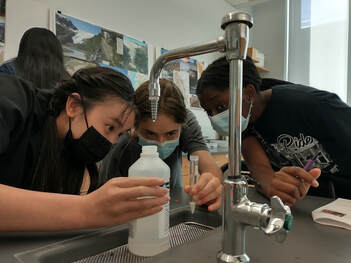 My project centered around something I am immensely passionate about: veganism. As a vegan of 2+ years, many have had some *interesting* claims about the ways being a developing vegan may harm my health. For my project, I chose to see if there was any merit to one such claim, that being vegan could impact my fertility. To do this, I set up 8 vials consisting of animal-based protein, plant-based protein, and Vitamin B12 – a vitamin critical for fertility that is often deficient in vegans. I found that a plant-based protein diet didn’t have any adverse effects on fertility when examined next to an animal-based protein diet. While Vitamin B12 did slightly improve female fertility for plant-based fly diets, its effects were so minuscule that it would appear plant-based protein diets can support fertility well enough that supplementation isn’t necessary. 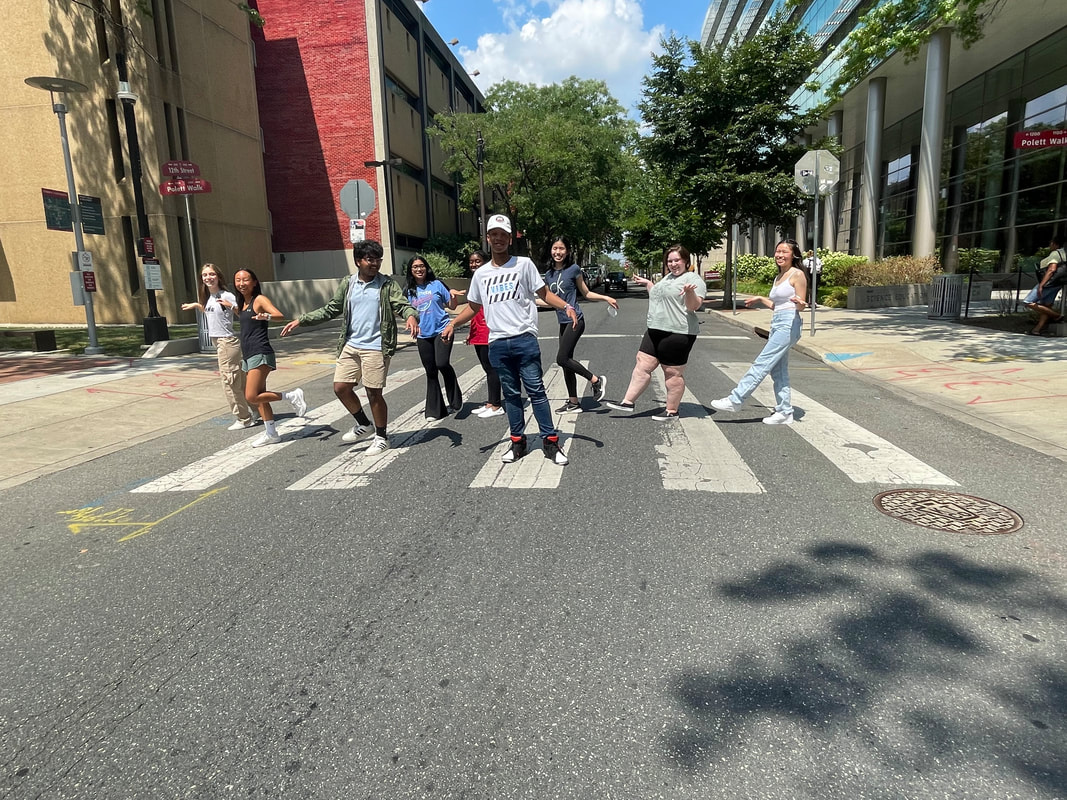 Aside from growing as a researcher, TRIP has also given me the resources to grow as a person. I had hands-on opportunities to network with research professionals. I was given the chance to listen to fascinating career talks where I was able to do a lot of introspection as to the professional life I hope to attain. I learned the most from my intelligent, dynamic group of peers who became friends from my TRIP session. I’d like to thank Dr. Leystra, Dr. Purdy, Ms. Pellegrin, Diya Parekh, my mother, my family, and my TRIP peers for making this TRIP possible. I can’t wait to see where this TRIP takes me in the future!
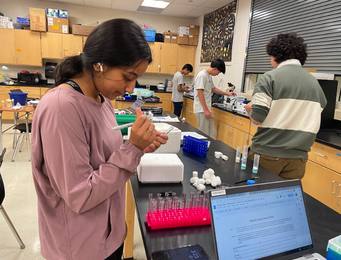
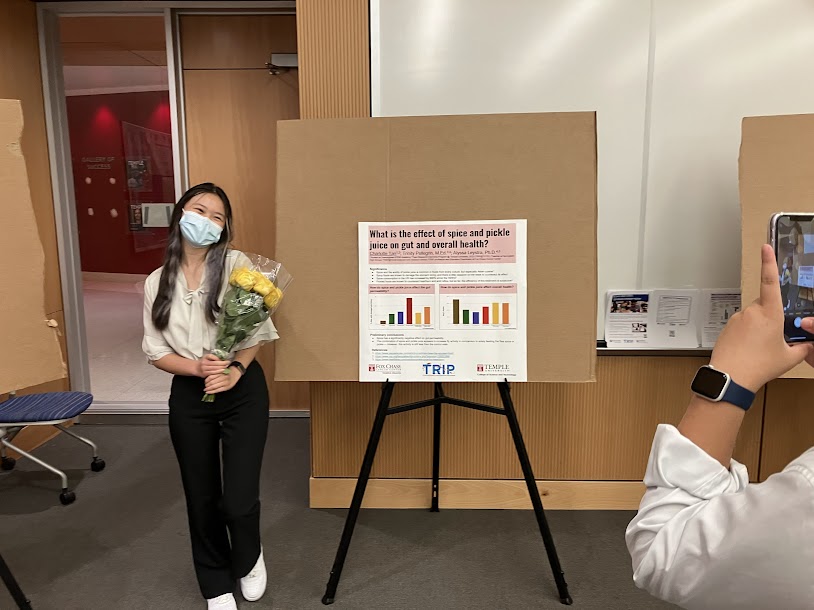 We’ve finally finished our 10 days in the lab, and time really flew by! This entire experience has shown me that the lab is a place that I truly enjoy working in. I’ve grown so close to my TRIP friends in both Session A and Session B (benefits of coming into the lab at 11AM every day!) and this experience has been one that I will cherish forever.
Even after spending 6 hours in the lab, I still had to rush to finish all my assays on time. It was definitely shocking when I realized how inaccurate my original time estimates were, especially after we ran out of CO2 in the lab and were forced to sort our flies on ice. Still, I’ve found myself enjoying the methodic routine of performing one assay after another, examining over 100 flies under the microscope to analyze their gut lining, and making many microcentrifuge tubes full of crushed fly gut solutions (I promise the process isn’t as gross as it sounds). Even the data analysis has been interesting despite my admittedly impatient nature. When I first went into the TRIP lab, I never expected myself to fall in love with science even more. When I first went into the TRIP lab, I never expected myself to fall in love with science even more. This journey has provided far more than simply “research experience”. I’ve learned how to perform assays efficiently, strengthened my collaboration skills, and I feel like we’ve built a community that will last far beyond these 5 weeks. I’ve even reached some conclusions in my independent project, like how extreme spice does damage the gut lining, but pickle juice can reduce the severity of this effect! Needless to say, all of this could not have happened without Dr. Leystra, our TA Diya, and all of my new friends at TRIP. Even though we’ve reached the end of this “TRIP”, I can’t wait to see what future journeys we all have ahead of us!
|
Archives
April 2024
Categories
All
|

 RSS Feed